Table of Contents : Walking for Weight Loss
Introduction
Walking is one of the simplest ways to lose weight, yet many underestimate its power. Walking for weight loss is accessible, sustainable, and gentle on joints, making it perfect for beginners and seasoned exercisers alike.
Quick Answer: For effective weight loss in 2026, experts recommend walking 150–300 minutes per week at a brisk pace. This translates to roughly 7,000–10,000 steps daily, or about 45–60 minutes of consistent walking.
“Ready to transform your health? Follow our step-by-step 2026 walking strategy below and start seeing real results in just 30 days!”
This guide will cover:
- How much you should walk daily
- Tips to maximize fat burning
- Frequently asked questions

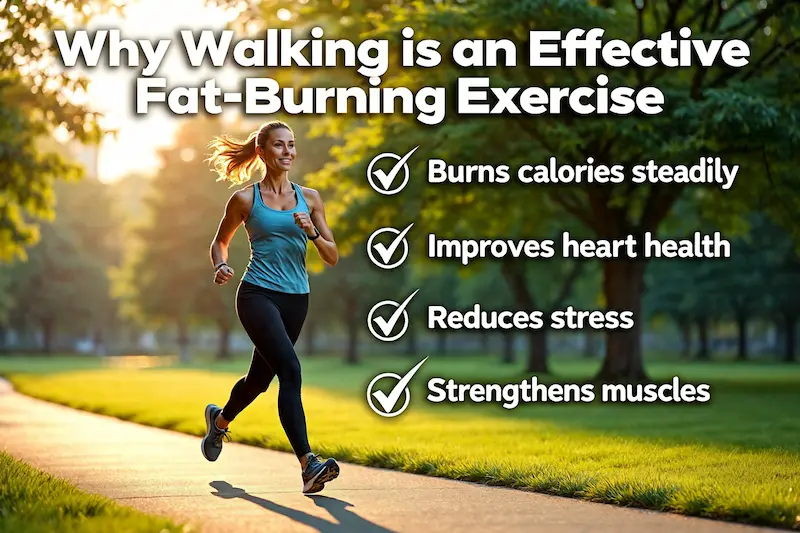
Why Walking is an Effective Fat-Burning Exercise
Walking might seem easy, but it’s highly effective for fat loss. Unlike intense workouts, it’s low-impact, sustainable, and easy to maintain long-term.
Benefits include:
- Burns calories steadily
- Improves heart health
- Reduces stress
- Strengthens muscles
External Links:
- Cleveland Clinic – Walking for Weight Loss
- Mayo Clinic – Walking: Trim Your Waistline, Improve Health
- Harvard Health – Walking for Weight Loss
Walking for Weight Loss
H2: How Much Should You Walk Daily for Weight Loss
Walking daily is key, but the amount depends on your fitness level, weight, and goals.
Step Count Recommendation
| Goal | Daily Step Target | Duration (Brisk Walking) |
|---|---|---|
| Maintenance | 5,000 – 7,000 | 20 – 30 Minutes |
| Weight Loss | 10,000 – 12,000 | 45 – 60 Minutes |
| Rapid Fat Loss | 12,000+ | 75+ Minutes |
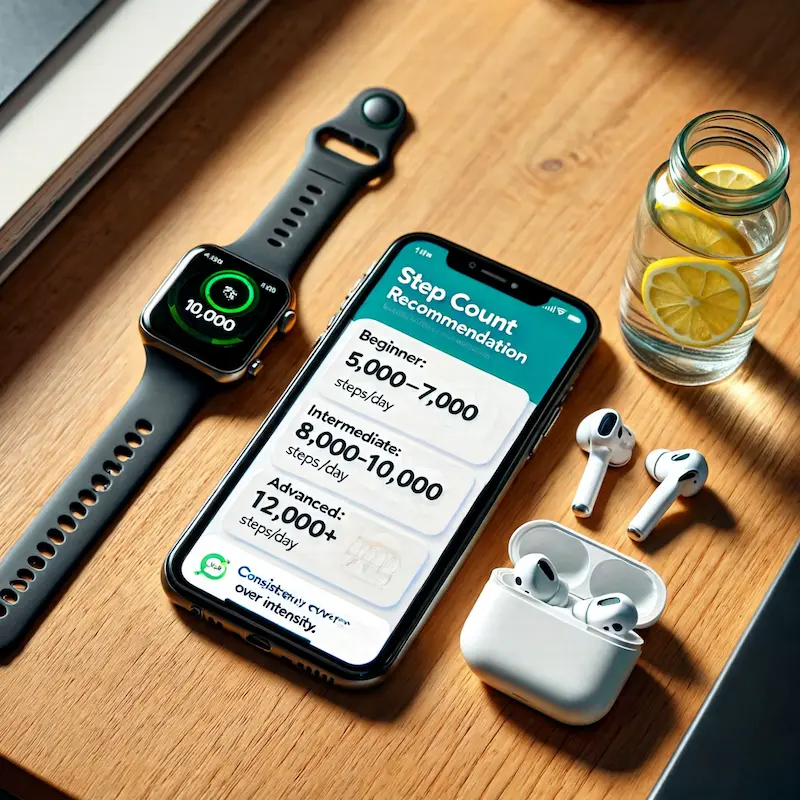
Counting steps is a practical way to monitor walking intensity and stay motivated. It also provides a clear measurable goal for beginners and advanced walkers alike. Step count gives feedback on progress and helps prevent under- or over-exercising.
- Beginner: 5,000–7,000 steps/day to gradually build habit
- Intermediate: 8,000–10,000 steps/day for steady fat loss
- Advanced: 12,000+ steps/day for faster calorie burn
Even short walks after meals contribute to fat loss. The key is consistency over intensity.
For more structured workouts to complement walking, check out our Best Fat Loss Workouts at Home.
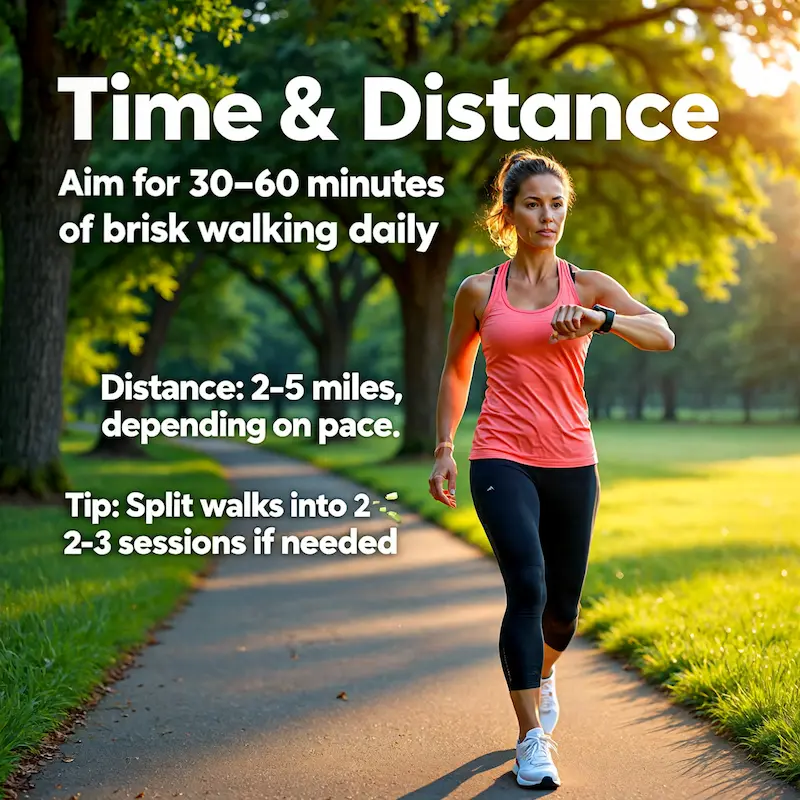
Time & Distance
Time and distance tracking provides structure, making it easier to plan daily routines. Walking for a specific duration or distance ensures your body gets enough activity to trigger fat metabolism.
- Aim for 30–60 minutes of brisk walking daily
- Distance: 2–5 miles, depending on pace
Tip: Split walks into 2–3 sessions if needed; even 10–15 minutes after meals adds up over the day.
If you want to combine walking with dietary strategies for better results, see Healthy Foods That Help You Lose Weight.
Walking for Weight Loss
Tips to Maximize Fat Loss While Walking
Walking is effective on its own, but certain strategies can accelerate results.
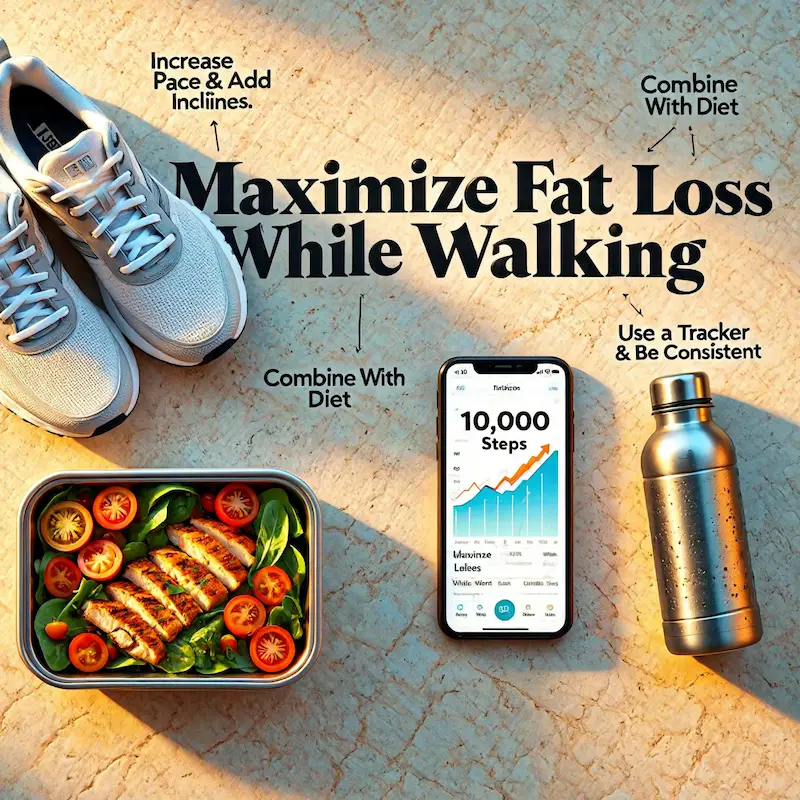
Increase Your Pace
Brisk walking raises heart rate, burns more calories, and engages more muscle groups. Gradually increasing pace challenges your body and prevents adaptation, ensuring continued fat loss.
you can combine walking with other structured routines like 7 Best Fat Loss Workout Plans at Home.
Add Inclines or Hills
Walking uphill or on stairs targets glutes, hamstrings, and calves, increasing calorie burn while strengthening lower body muscles. It also improves cardiovascular endurance.
Combine With Diet
Walking alone is good, but pairing it with a healthy diet or intermittent fasting amplifies fat loss. Nutrition provides fuel for workouts and supports overall weight management.
Use a Tracker
Fitness trackers, apps, or smartwatches monitor steps, distance, and pace, keeping you accountable. They help identify trends, set goals, and maintain motivation for long-term success.
Be Consistent
Even short daily walks outperform sporadic long walks. Consistency builds habit, leading to long-term results in fat loss, energy, and overall health.
Stay motivated with our 7 Smart Weight Loss Motivation Tips to build a habit and see long-term results.
Walking for Weight Loss for Women: Special Considerations
Women may find that combining walking with light resistance training (like our 7 Best Fat Loss Workouts at Home) yields faster results by boosting metabolic rate and preserving lean muscle mass.
Walking for Weight Loss
Free 30-Day Walking for Weight Loss Plan (2026 Edition)
- Week 1: 20 mins daily (Building the habit).
- Week 2: 30 mins daily + 1 day of incline/hills.
- Week 3: 45 mins daily at a brisk pace.
- Week 4: 60 mins daily + 2 days of intervals (fast/slow).
Walking vs Other Exercises for Weight Loss
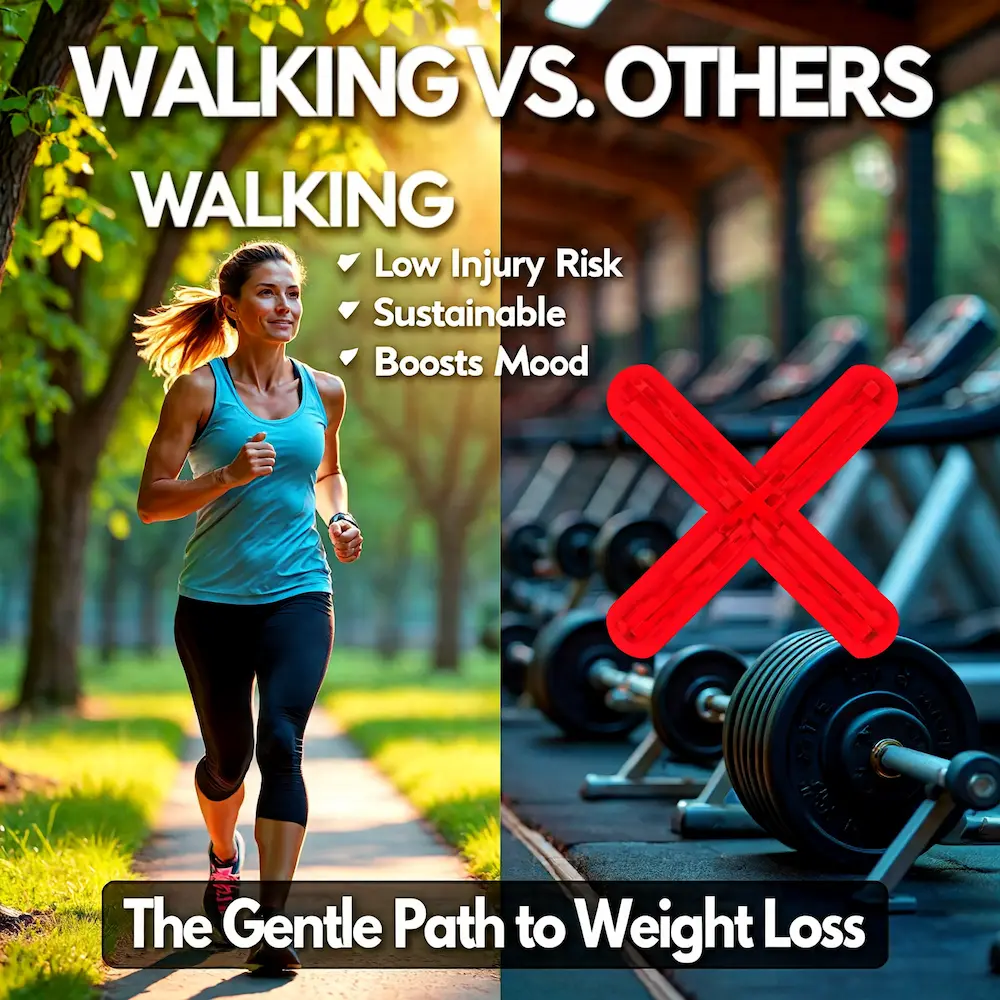
Walking has unique advantages over other forms of exercise.
Low Injury Risk
Walking is gentle on joints, perfect for beginners, older adults, or those recovering from injury. It allows daily exercise without the risk of burnout or injury.
Sustainable Long-Term
Unlike intense gym workouts, walking can be maintained consistently over years, supporting long-term weight management and cardiovascular health.
Mental Health Benefits
Outdoor walking reduces stress, boosts mood, and improves focus. It promotes creativity and mindfulness, combining physical and mental well-being.
Common Mistakes People Make While Walking for Weight Loss
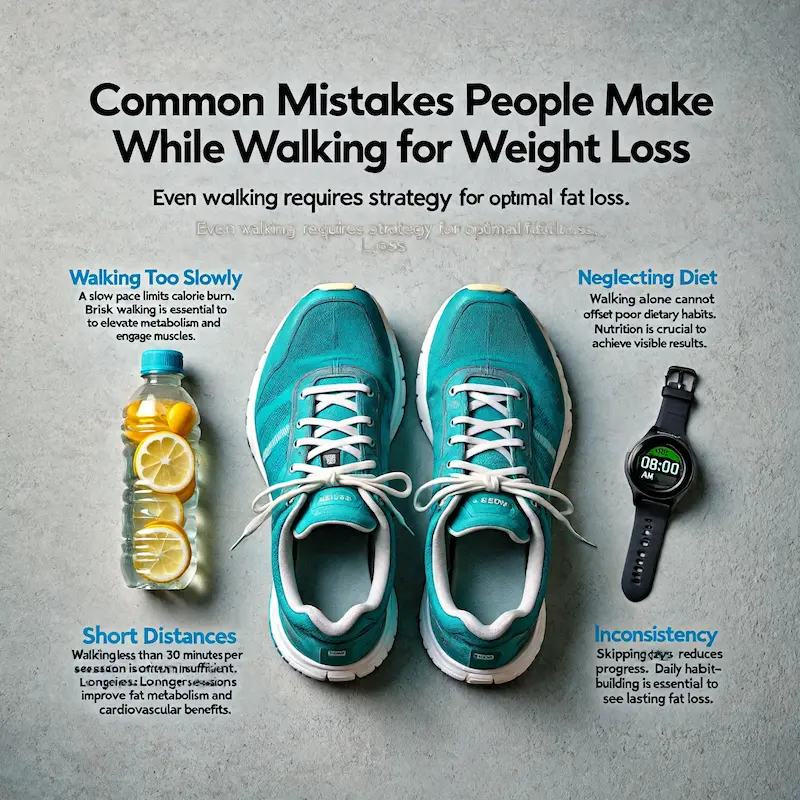
Even walking requires strategy for optimal fat loss.
Walking Too Slowly
A slow pace limits calorie burn. Brisk walking is essential to elevate metabolism and engage muscles.
Neglecting Diet
Walking alone cannot offset poor dietary habits. Nutrition is crucial to achieve visible results.
Short Distances
Walking less than 30 minutes per session is often insufficient. Longer sessions improve fat metabolism and cardiovascular benefits.
Inconsistency
Skipping days reduces progress. Daily habit-building is essential to see lasting fat loss.
Walking for Weight Loss
FAQ – Walking for Weight Loss
Can I lose belly fat by just walking ?
Spot reduction is a myth. Walking helps reduce fat overall, including belly fat, if combined with proper diet and consistent effort.
Is walking every day enough to lose weight ?
Yes, especially with a brisk pace and balanced diet. Consistency matters more than occasional high-intensity sessions.
What is the best time to walk for fat loss?
Morning walks slightly boost metabolism, but the most important factor is consistency—walk when it fits your schedule reliably.
How fast should I walk to burn fat?
Brisk pace — fast enough to raise your heart rate but comfortable to maintain conversation.

Conclusion
Walking for weight loss is simple, effective, and accessible to almost everyone. By tracking your steps, maintaining a brisk pace, and following a healthy diet, you’ll see real, measurable results over time. The key is not to rush or overcomplicate your routine — consistency and patience are your best allies.
Remember, small daily actions add up. Even a 15-minute walk after lunch or dinner can make a difference when done consistently. Pair your walking routine with balanced nutrition, plenty of water, and adequate sleep to maximize fat loss and overall well-being.
Walking isn’t just about burning calories; it’s about building a healthy lifestyle. It improves your mood, reduces stress, strengthens your heart, and even boosts creativity. Think of it as a holistic approach to health — where your body, mind, and energy all benefit.
Celebrate your progress, no matter how small. Every step counts toward a healthier, fitter, and happier you. Set realistic goals, track your improvements, and stay motivated. Remember: it’s not about perfection, it’s about progress.
With walking, you don’t need fancy equipment, expensive gym memberships, or complicated routines. All you need is your own two feet, determination, and a plan that fits your lifestyle. Start today, stay consistent, and enjoy the journey — your body and mind will thank you.

Walking for Weight Loss

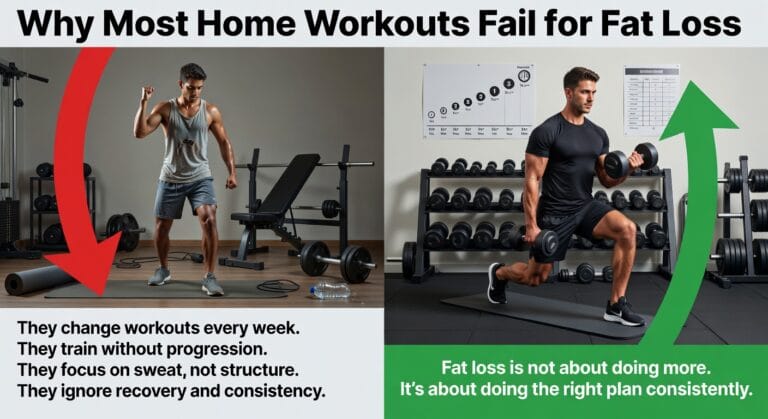


[…] underestimate movement outside the gym. Simple things like taking the stairs or Walking for Weight Loss can add an extra 300 calories to your daily burn without the stress of a high-intensity […]
“I’ve been walking 10k steps daily but wasn’t seeing results until I read your tips on pace and consistency. Great guide for 2026! Should I try walking on an incline to speed up the fat loss?”
“Great question, Jessica! Yes, adding an incline is a game-changer. It increases your heart rate and burns more calories without needing to run. Try a 3-5% incline to start with. Keep up the great work!”
[…] Step-by-Step Cardio: [Walking for Weight Loss: How Much Should You Walk Daily?] […]