not losing weight even though you’re eating healthy :Table of Contents
If you are not losing weight even though you’re eating healthy, exercising regularly, and following all the “rules,” you’re definitely not alone. I’ve been in your shoes—frustrated, confused, and wondering why my efforts weren’t paying off. Over time, I discovered that weight loss isn’t just about diet or exercise; it’s about understanding your body, hormones, sleep, and lifestyle habits. In this guide, I’ll share personal experiences, real strategies, and practical tips that finally helped me break through plateaus and see real results, so you can feel confident and motivated on your journey.
not losing weight even though you’re eating healthy
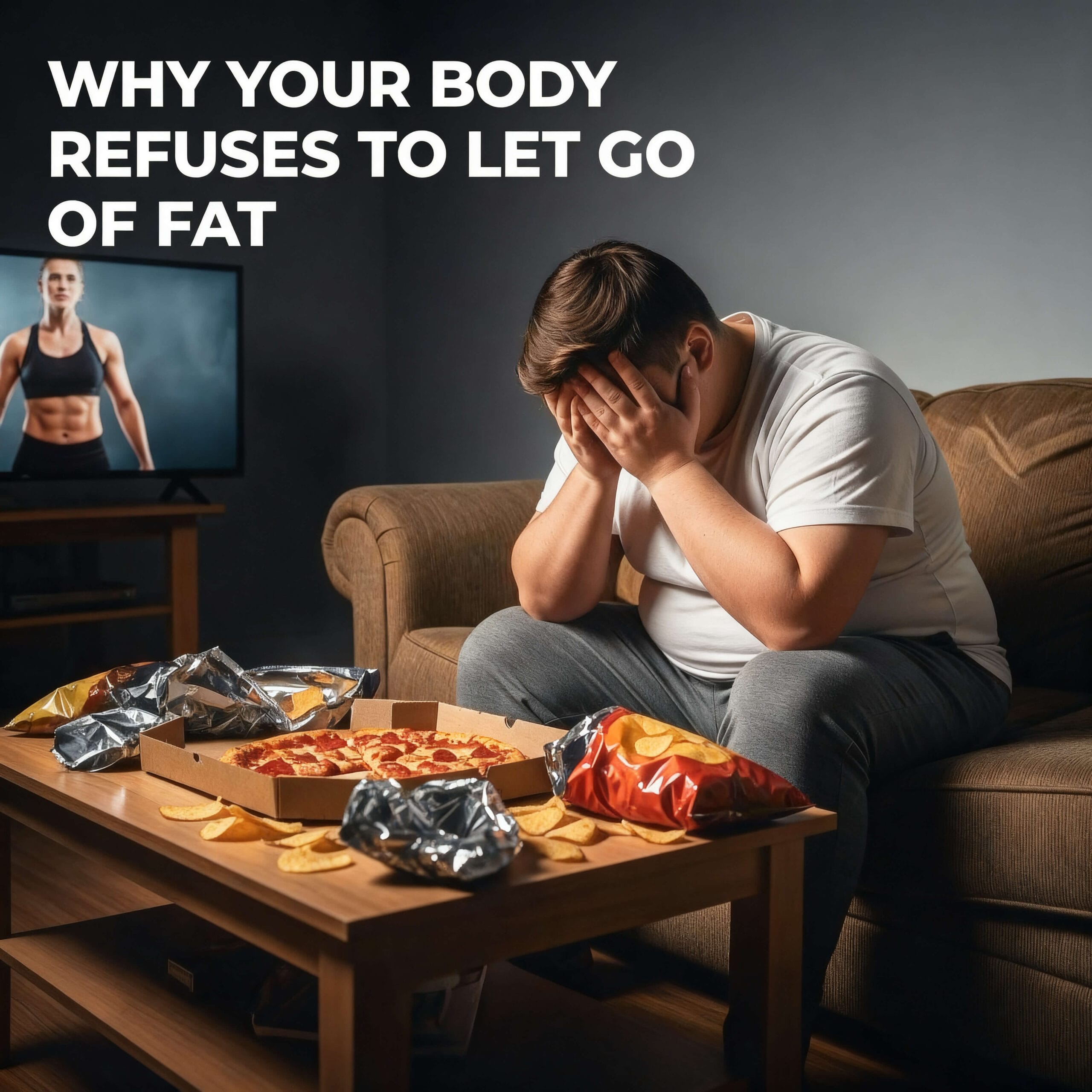
H2: Why Your Body Refuses to Let Go of Fat
Sometimes it feels like no matter what you do, fat just doesn’t budge. I’ve experienced this firsthand. Understanding why your body holds onto fat is the first step to overcoming it. Often, the body perceives a threat—whether from stress, inflammation, or inconsistent eating—and responds by storing fat as a protective mechanism. For more details on how metabolism works and fat storage is regulated, you can check Harvard Health.
Hormonal Stress Is Silently Blocking Your Weight Loss
H3: Cortisol – The Hidden Fat-Storing Hormone
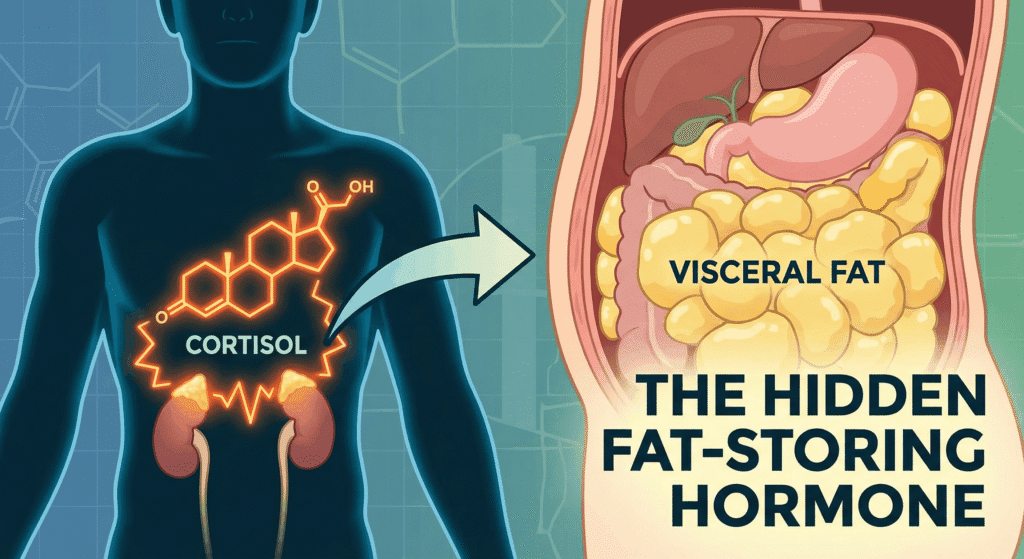
High stress levels can sabotage your progress. Cortisol, the stress hormone, signals your body to hold onto fat, especially around the belly. I learned this the hard way when stressful weeks completely erased my gains. According to Healthline, elevated cortisol can significantly impact fat accumulation.
What helped me personally:
Daily walks without distractions
Better sleep routines
Letting go of extreme calorie restriction
Once stress dropped, weight loss felt natural again.
not losing weight even though you’re eating healthy
H3: Thyroid and Metabolism Slowdowns

Sometimes, it’s not effort—it’s biology. A slow thyroid or metabolic adaptation can make weight loss frustratingly slow. If you feel fatigued, cold, or mentally foggy alongside stalled progress, this may be your body asking for help. Learn more about thyroid function and metabolism at .Mayo Clinic.
not losing weight even though you’re eating healthy
H2: Poor Sleep Is Destroying Fat Loss Without You Realizing It
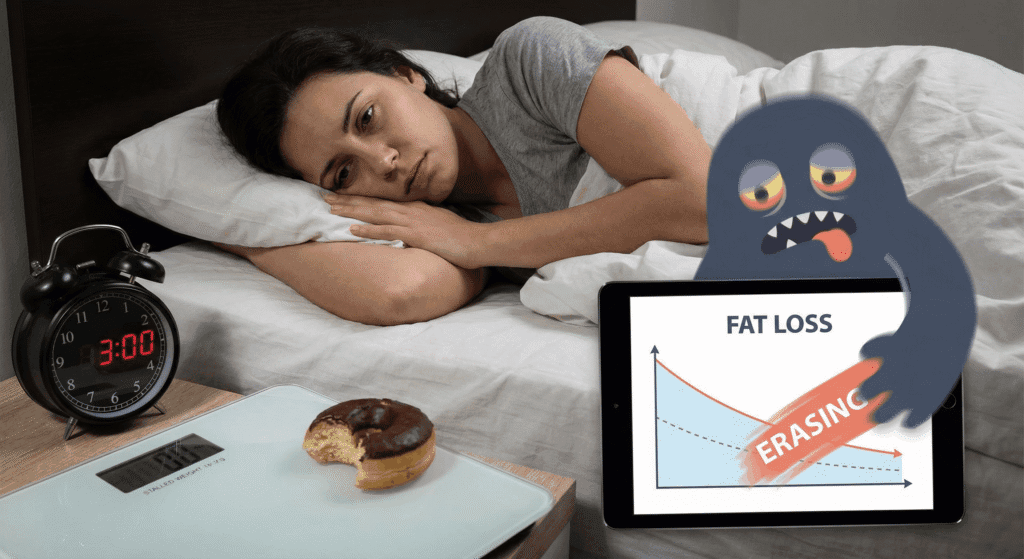
Sleep isn’t just rest—it’s a fat loss tool. I used to stay up late thinking it was harmless, but inadequate sleep sabotaged my energy, appetite, and fat-burning hormones. In this section, I’ll explain how proper sleep enhances metabolism, curbs cravings, and supports consistent weight loss, with practical tips from my own routine.
H3: Sleep Quality Matters More Than You Think
I used to sacrifice sleep to “stay productive.”
The result? More cravings, slower recovery, and stubborn fat.
It’s not just about hours—it’s about quality. Deep, restorative sleep regulates hunger hormones, improves recovery, and helps your body release fat naturally.
Sleep regulates hunger hormones and fat-burning efficiency. Less sleep = more resistance.
H3: Late Nights Confuse Your Metabolism
Irregular sleep disrupts insulin and fat storage. By creating a consistent sleep schedule, I noticed my weight finally started moving again without extra workouts.
H2: “Healthy” Foods That Are Actually Slowing You Down
Eating “healthy” doesn’t always mean fat loss-friendly. Many foods marketed as diet-friendly are loaded with hidden sugars or refined carbs that spike insulin and stall fat loss. I’ll share my personal experience of reading labels carefully, discovering sneaky sugars, and choosing simple, natural foods that finally worked.
H3: Hidden Sugars in Everyday Foods
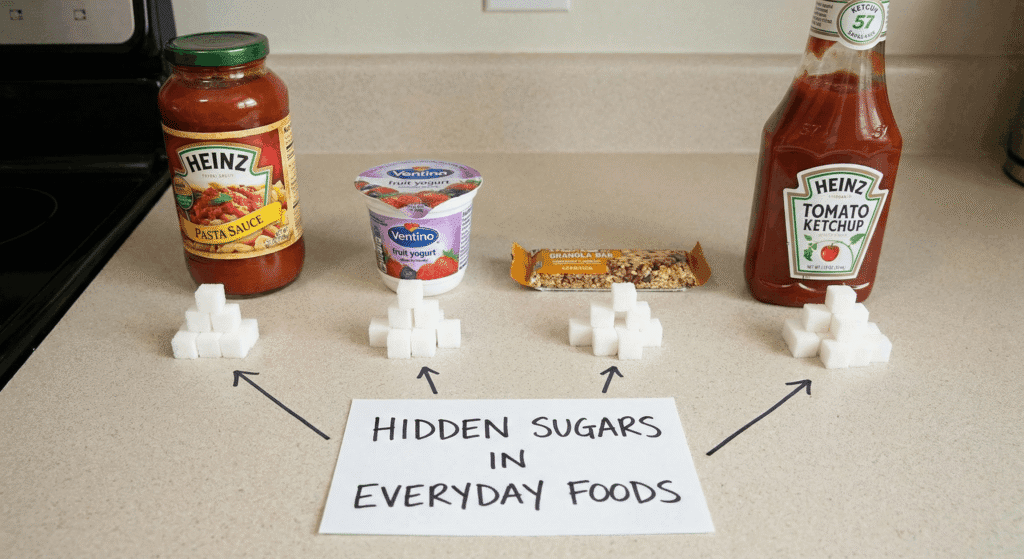
Even granola bars or low-fat snacks can sabotage your progress. Awareness is the first step to changing your results. For a comprehensive guide on hidden sugars, visit WebMD.
H3: Whole Foods Make Weight Loss Easier
Focusing on protein, vegetables, and healthy fats made a noticeable difference in cravings and energy. Small, consistent dietary changes beat drastic fad diets any day.
not losing weight even though you’re eating healthy
Overestimating Workouts and Ignoring Daily Movement
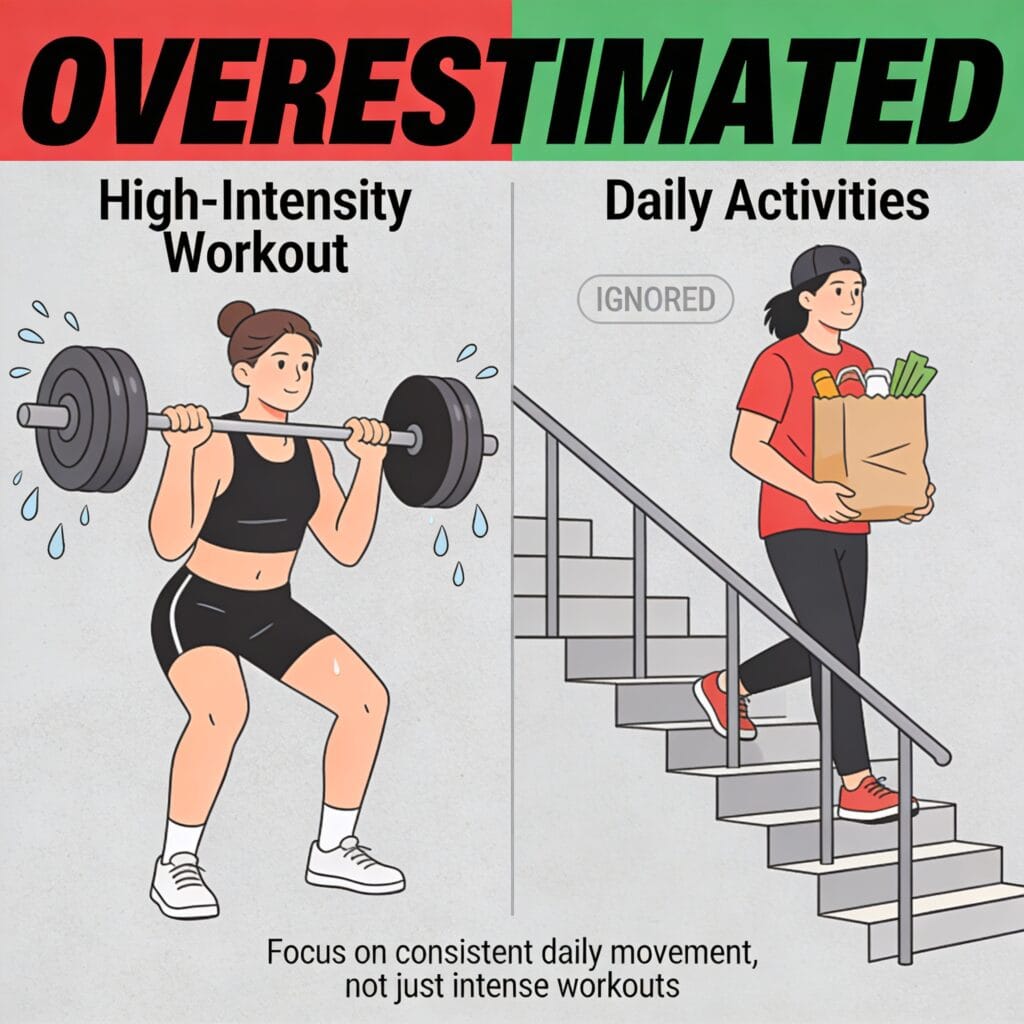
Many people assume that going to the gym is enough. I learned that even long workouts can’t offset a sedentary lifestyle. Fat loss responds better to consistent daily movement than occasional intense sessions. I’ll share practical daily movement tips that helped me accelerate results without overtraining.
One Workout Doesn’t Cancel a Sedentary Day
Standing, walking, stretching—these small actions compound into major calorie expenditure.
Lifestyle Movement Is a Fat-Loss Multiplier
Once I incorporated movement into my lifestyle, not just structured workouts, fat loss became much easier and sustainable.
Low Protein Intake Is Slowing Your Progress
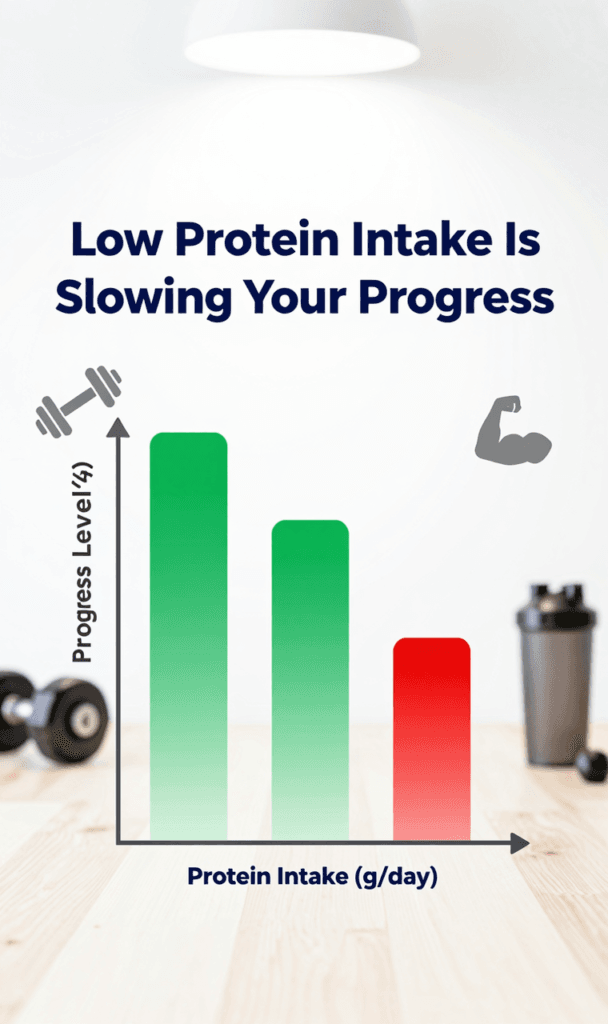
Protein is a fat loss secret often overlooked. Increasing protein intake reduced cravings, stabilized energy, and helped protect muscle during weight loss. I’ll explain my personal approach to making protein a cornerstone of every meal and why it’s crucial for long-term results.
Protein Changed My Appetite Completely
Including protein in every meal helped me avoid unnecessary snacking and keep energy levels steady.
Why Protein Makes Weight Loss Sustainable
Protein boosts metabolism, maintains lean muscle, and ensures that weight loss comes primarily from fat rather than muscle.
Being “Active” in the Gym but Inactive in Life
not losing weight even though you’re eating healthy
The Active-but-Sedentary Trap
Training hard doesn’t help if you’re inactive the rest of the day.
I didn’t realize how much sitting slowed my progress until I fixed it.
Lifestyle Movement Is a Fat-Loss Multiplier
When movement became part of my lifestyle—not just workouts—results followed naturally.
Chronic Inflammation Keeps Fat Locked In
Inflammation signals your body to hold onto fat. Poor sleep, stress, and processed foods were the main culprits for me. By focusing on anti-inflammatory foods, Omega-3s, and recovery, I finally broke through my weight loss plateau.
Why Inflammation Blocks Weight Loss
Inflammation triggers protective fat storage, which slows down your progress even with perfect habits.
Reducing Inflammation the Simple Way
Simple steps like improving sleep, nutrition, and stress management had a surprisingly large effect on my results.
What helped most:
Whole foods
Omega-3 fats
Proper recovery and rest
Fat loss felt easier once inflammation dropped.
not losing weight even though you’re eating healthy
Final Thoughts – What I Wish I Knew Earlier
If I could give my past self advice, it would be: work with your body, not against it. Extreme diets, guilt, and punishing workouts don’t work long-term. Balance, consistency, and awareness of hidden blocks like stress, sleep, and inflammation are the keys.
Weight loss is personal, and your journey will have obstacles—but small, intelligent changes make it sustainable and even enjoyable.
Frequently Asked Questions (FAQ)
Why am I not losing weight even though I eat healthy
Factors like stress, sleep, hormones, and hidden inflammation can prevent fat loss even with a clean diet
Can stress really stop weight loss
Yes. High cortisol levels encourage fat storage and slow metabolism, particularly around the belly area
How long should I wait before changing my weight loss plan
Give any plan at least 3–4 weeks while monitoring sleep, stress, and recovery—not just calories
Is daily walking enough for weight loss
Yes, when combined with good nutrition and consistent lifestyle habits, daily walking can be very effective
What is the biggest mistake people make when trying to lose weight
Ignoring recovery and sleep is the most common mistake. These are as important as diet and exercise
not losing weight even though you’re eating healthy
Suggested Internal Links
- 10 Amazing Fat-Burning Exercises at Home for Fast Results (2026)
- 7 Best Healthy Diet Plans for Fast Fat Loss (2026)
- 7 Smart Weight Loss Motivation Tips to Stay Inspired (2026)
- 8 Healthy Foods That Help You Lose Weight Faster (2026)
- 7 Best Fat Loss Workouts at Home to Tone Your Body (2026)
- 7 Best Fat Loss Workout Plans at Home for Real Results (2026)
إ



[…] only as good as your metabolism. To get the most out of these workout plans, combine them with our [Smart Strategies for Rapid Fat Loss]. Following a structured plan alongside smart metabolic shifts is the fastest way to see a […]
[…] might be facing a “weight loss plateau.” I’ve written a comprehensive guide on the 8 reasons Why You’re Not Losing Weight that explores how light and hormones interact to stop your […]
[…] water retention. You might be losing fat, but water is hiding it on the scale. This is one of the 8 Reasons Why You’re Not Losing Weight that every beginner should […]
“The point about hidden calories and sleep really hit home. I was over-exercising but ignoring my recovery. Fixed it after reading this! Do you think tracking water intake is just as important?”
“Spot on, Mark! Recovery is where the magic happens. Regarding water intake—absolutely! Hydration helps your metabolism function at its peak and prevents ‘false hunger.’ Glad the tips helped!”